Key Takeaways
- Buyers increasingly treat backyards as extensions of the home, so neglecting the exterior during staging leaves money on the table.
- Simple upgrades like clean seating zones, string lighting, and defined dining areas often outperform expensive overhauls in buyer appeal.
- Decks, patios, and functional cooking areas deliver some of the strongest returns among exterior improvements, both in resale price and buyer interest.
- Styling should match the home’s price point and regional climate — a Phoenix shade pergola serves a different buyer than a Minneapolis fire pit.
- Lifestyle photography of staged exteriors drives more clicks online, which translates to faster showings and quicker offers.
- Small sensory touches — soft textiles, greenery, water features — help buyers emotionally commit before they ever step inside.
- Comparing DIY styling against professional staging reveals a middle path that balances cost, speed, and polish for most listings.
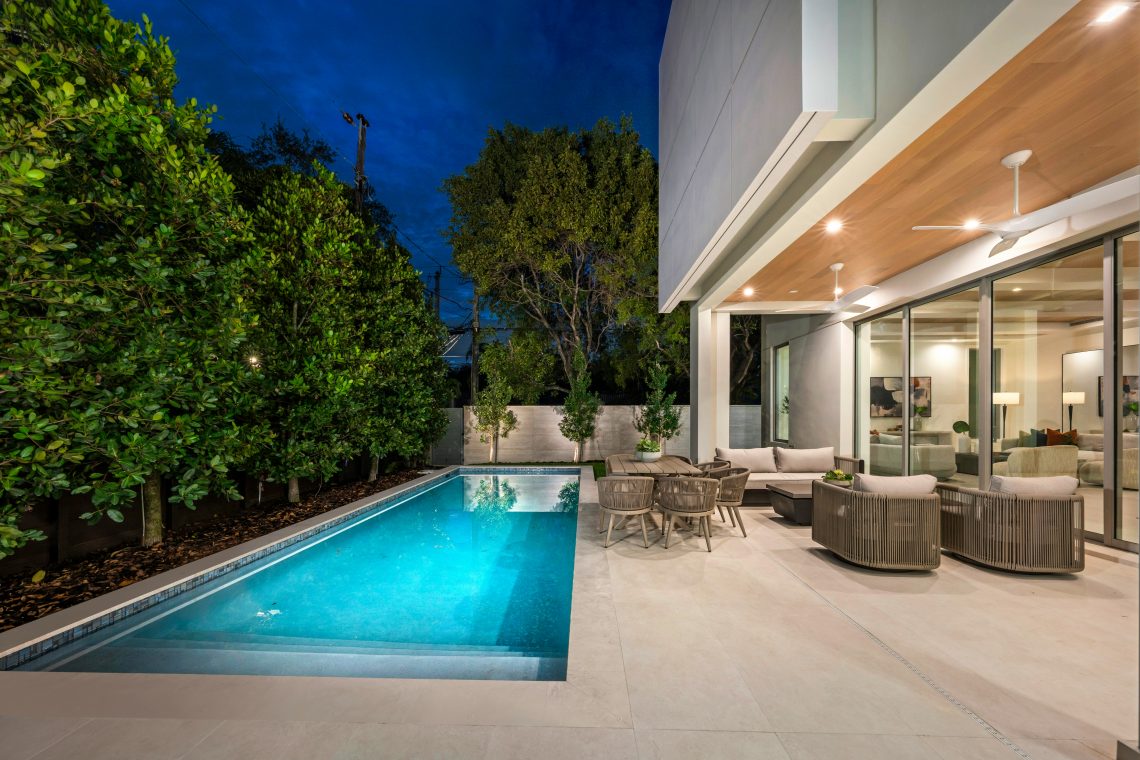
Buyers today walk through a backyard the same way they walk through a kitchen — mentally arranging furniture, imagining Sunday mornings, and silently calculating what they’d change. If the yard feels like an afterthought, so does the house. If it feels like a destination, the entire listing gains gravity.
That shift has turned the exterior into one of the most competitive battlegrounds in residential real estate. Sellers who understand this are no longer just mowing the lawn and hoping for the best. They’re staging patios, dressing decks, and curating sightlines with the same intention they bring to the primary bedroom.
The question most sellers face isn’t whether to invest in exterior staging. It’s how far to go, which approaches actually move the needle, and where the budget stops earning its keep. This comparison breaks down the trade-offs so you can stage smart, not just stage big.
Why Backyards Now Carry Serious Weight With Buyers
A decade ago, a tidy lawn and a pair of plastic chairs were enough. That bar has moved. Remote work, pandemic-era habits, and rising interest in home-based entertaining have made the yard feel less like a bonus and more like a required room.
According to This Old House, three out of four buyers would choose a home with usable exterior space over one without it, which reframes the backyard as a dealbreaker rather than a nice-to-have. That single data point should change how listing agents allocate their staging dollars.
The practical takeaway: if a buyer is deciding between two comparable homes, the one with a styled, inviting exterior often wins — not because of resale math, but because of emotional pull. Staging feeds that pull directly.
Comparing Lightweight Styling Versus Full Renovation
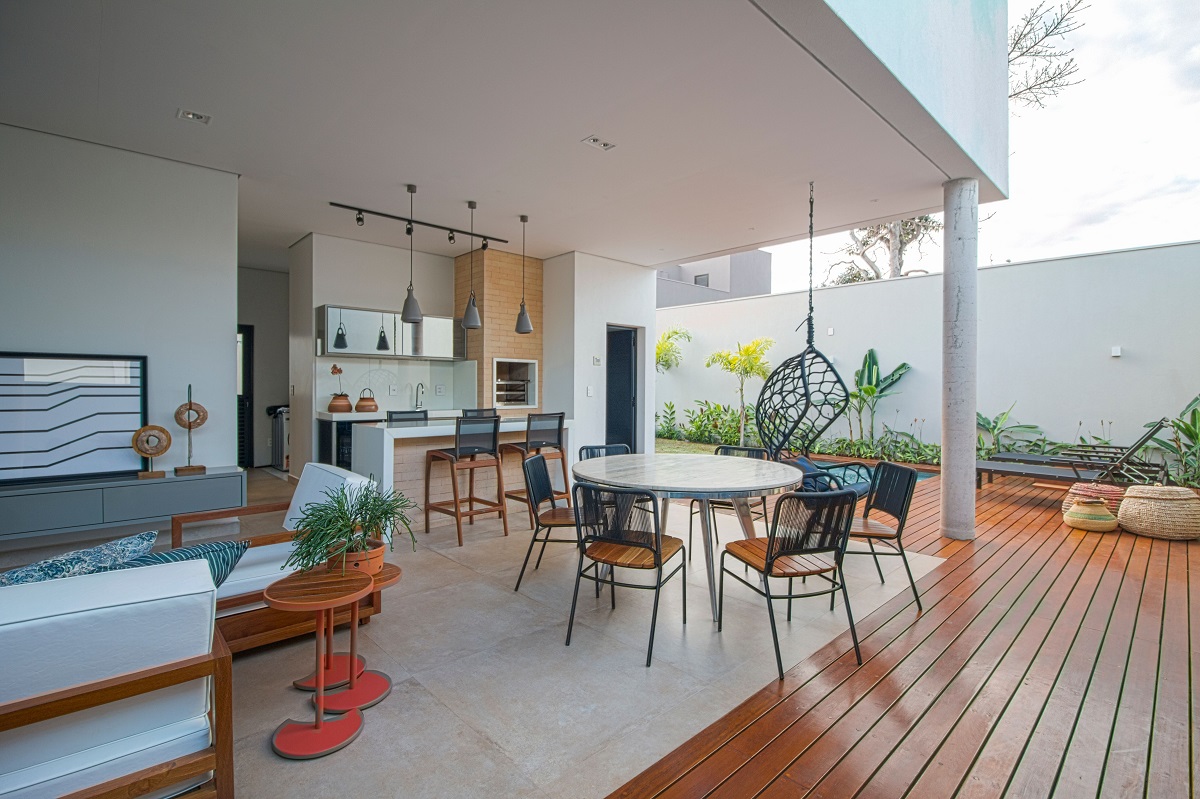
Sellers tend to fall into two camps. The first wants to spend as little as possible and lean on cosmetic tricks. The second treats the exterior like a value-add project, pouring money into decks, pergolas, and hardscape before listing. Both approaches have merit, and both have ceilings.
Lightweight styling is faster, cheaper, and lower risk. You rent or buy a few key pieces, clean every surface aggressively, and let photography do the heavy lifting. Full renovation delivers higher visual impact but carries real financial exposure if the market shifts or the buyer pool shrinks.
When renovation actually pays off
Not every project earns back what it costs, but some come close. The Zonda 2025 Cost vs. Value Report found that a new wood deck returns roughly 95 cents on the dollar, which puts it near the top of exterior investments. For sellers who already planned to replace a rotting deck, listing is the perfect excuse to accelerate that timeline.
Here’s where each approach tends to win:
- Lightweight styling wins when the bones are good and the yard just looks tired
- Mid-tier upgrades win when one specific feature — like a cracked patio — is dragging the whole space down
- Full renovation wins when competing listings in the neighborhood already have premium exterior features
- DIY styling wins for homes under the local median price
- Professional staging wins for luxury listings where buyer expectations are higher
- Hybrid approaches win more often than either extreme
What Buyers Actually Notice in Listing Photos
Online scrolling is where most listings live or die. A buyer spends seconds, not minutes, deciding whether to click, and that first impression often happens on a phone screen between other tasks. Exterior shots are often the second or third image they see, right after the front elevation and maybe a hero kitchen shot, and a staged backyard tells them the home has been cared for everywhere. If the outdoor living area looks neglected or empty, buyers quietly assume the garage, basement, and utility spaces got the same treatment.
The best modern outdoor living space ideas translate to photos in predictable ways: defined zones, warm lighting, and a clear sense of purpose for each square foot. A single dining table with four chairs reads better than a cluttered deck with mismatched furniture pushed against the railing. Photographers will tell you the same thing — negative space photographs well, while visual noise flattens a frame and makes even a generous patio feel smaller than it is. Think of each shot as a small story: where would someone sit with coffee, where would friends gather at sunset, where does the yard transition from entertaining to green space.
Visual anchors that photograph well
Certain elements consistently pull attention in listing imagery. String lights draw the eye upward and add a horizontal line that frames the space. A fire feature creates a focal point and hints at year-round use, especially in cooler climates where buyers worry the yard will sit empty from October to April. A styled coffee table with a tray, a stack of books, and a small plant signals that someone actually uses the space rather than just maintaining it for showings.
- A clear conversation area with symmetrical seating, ideally angled slightly toward the camera
- One statement piece — a hanging chair, a stock tank, a sculptural planter, or an oversized lantern
- Layered lighting that works at dusk as well as noon, including path lights, overhead strings, and a lamp or two
- Pops of color through pillows or an outdoor rug, usually in two coordinating tones rather than a rainbow
- Visible greenery, whether planted beds, potted herbs, or a trailing vine along a railing
- A dining setup that suggests weekend gatherings, with place settings or a simple centerpiece rather than a bare table
- A defined edge between patio and lawn, since clean transitions read as intentional design in photos
How Climate and Region Reshape the Playbook
A styling approach that lights up buyers in Charleston may fall flat in Denver. Climate dictates what feels aspirational versus impractical, and smart sellers calibrate accordingly. Overlooking that match is one of the most common staging mistakes.
In hot southern markets, shade structures and misters register as near-essential. In the Pacific Northwest, covered patios and heaters extend the usable season and read as thoughtful rather than excessive. In the Northeast, three-season setups with fire features suggest buyers will actually get use out of the yard beyond July.
Families specifically respond to layouts that signal safety and flow, which is why incorporating family friendly outdoor design principles tends to widen the buyer pool. Open sightlines from the kitchen, soft ground surfaces near play zones, and enclosed boundaries all contribute to the emotional green light parents are looking for.
Regional furniture choices matter too. Teak and powder-coated aluminum photograph beautifully but can scorch in direct desert sun. Wicker reads cozy in temperate climates but shows wear fast in humidity.
Does Professional Staging Beat the DIY Route?
Both approaches have passionate defenders, and both can work. The honest answer depends on the price point, the timeline, and the condition of the existing furniture. A $400,000 listing rarely needs the same treatment as a $2 million one.
DIY works when the seller has decent taste, a weekend to commit, and willingness to buy or borrow a few pieces. Professional staging works when the yard is empty, the listing is high-end, or the seller simply doesn’t trust their own eye.
Budget conversations get easier when you know the realistic spread. A full DIY refresh with new textiles, lighting, and a few planters typically lands between $600 and $1,500. Professional exterior staging with rented furniture runs $1,500 to $4,000 for a two-month contract in most mid-sized markets. Hybrid setups — where the seller buys a few core pieces and a stager fills in the rest — often come in around $1,000 to $2,500.
The math changes when you factor in days on market. If staging shaves two weeks off the selling timeline, the carrying cost savings alone usually cover the investment.
Pairing Staging With Smart Pre-Listing Upgrades
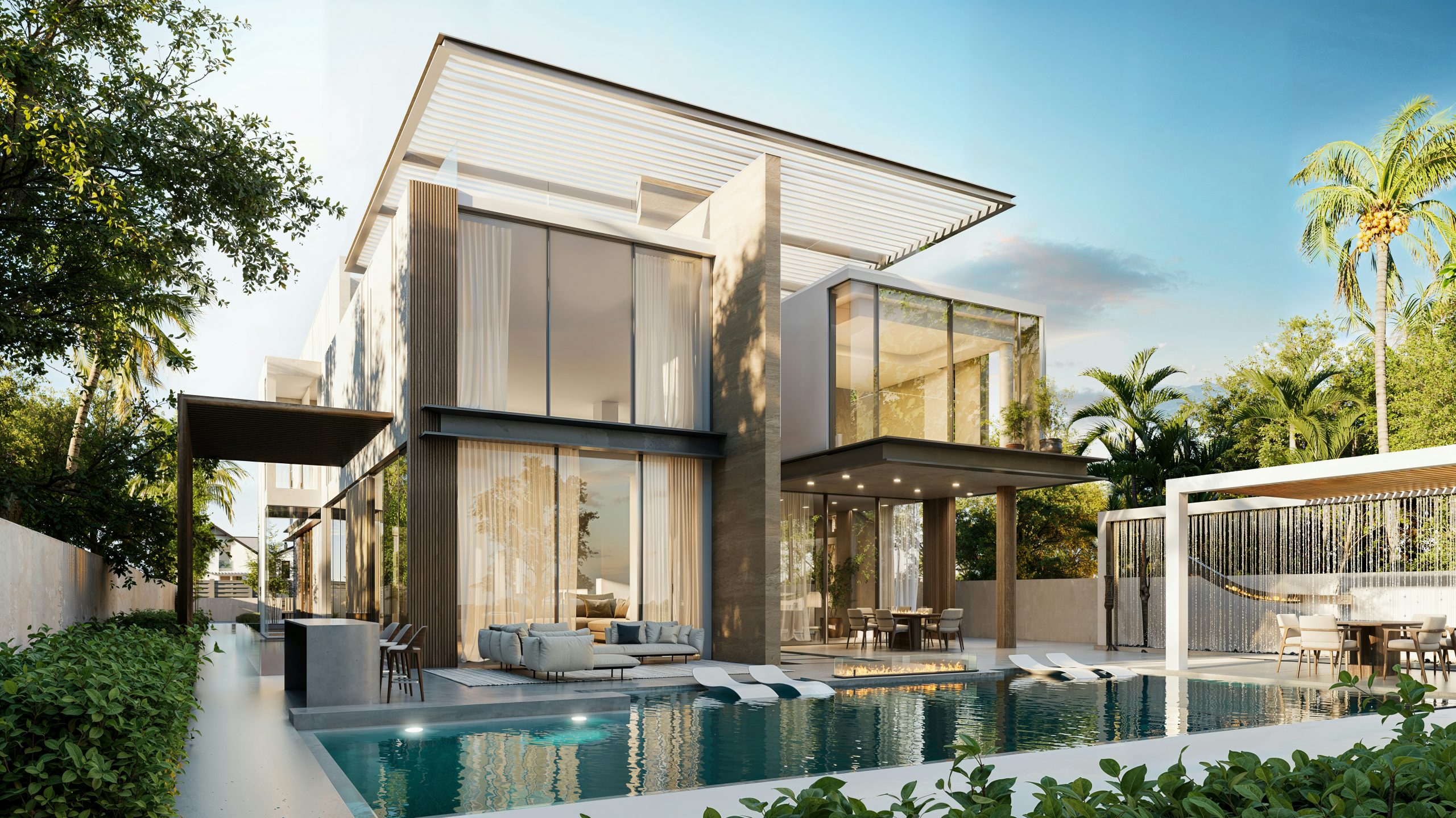
Staging and renovation aren’t opposing strategies. They’re sequential ones. The sellers who get the strongest results often tackle one or two targeted fixes before the stager ever shows up, so the styling lands on a clean canvas instead of masking problems. Think of it as building the stage before the actors walk on — if the floorboards are splintered, no amount of lighting or costuming will save the performance. Buyers notice the underlying condition first, and only then do they register the decor layered on top.
A warped board, a rust-streaked railing, or a faded fence will undercut even the most beautiful furniture arrangement. A $3,000 teak dining set loses its visual impact the moment the eye catches a sagging gate hinge or a cracked paver behind it. Addressing those issues first is where modernizing outdoor renovation projects earns its place in the pre-listing checklist. Fresh stain, updated hardware, and a repaired surface do more for perceived value than any throw pillow can. In most markets, a few hundred dollars of targeted repair work translates into thousands of dollars in perceived upgrade value — and gives the stager a surface worth styling in the first place.
Fresh Exterior Styling Approaches That Move Listings
The pre-staging punch list doesn’t need to be long. In fact, trying to tackle too much before listing often delays the launch and eats into the budget you’d rather spend on photography, styling, or marketing. Focus on the items that photograph poorly or signal deferred maintenance — the small cues buyers subconsciously read as “this home hasn’t been cared for”:
- Power-wash every hard surface, including fences, siding, pavers, and the driveway apron
- Replace or repaint anything with visible rust or chipping, from railings to mailbox posts
- Edge garden beds crisply, refresh mulch, and pull any weeds poking through gravel or pavers
- Swap outdated light fixtures for matte black or warm brass to instantly modernize entryways and patios
- Repair or replace torn umbrella canopies, faded cushions, and sun-bleached outdoor rugs
- Clear gutters, trim anything brushing the roofline, and cut back shrubs crowding windows
- Touch up any peeling paint on trim, shutters, and door frames where sun exposure is heaviest
- Oil or stain wood decking so the grain reads rich and intentional in listing photos
None of these are glamorous. All of them show up in photos. And when combined with thoughtful modern outdoor living space ideas layered on top, they create the kind of outdoor living presentation that photographs beautifully, shows well in person, and gives buyers one less reason to negotiate the price down.
Sensory Details That Push Buyers Over the Edge
Walkthroughs are where emotional commitment actually happens. A buyer who felt curious online needs to feel certain in person, and sensory layering is how staged exteriors cross that line. Sight is only one channel.
Sound matters more than most sellers realize. A small recirculating fountain masks street noise and creates the sense of a retreat. Scent matters too — potted rosemary, lavender, or citrus near the main seating area registers subconsciously as fresh and cared-for. Even texture contributes, which is why layering an outdoor rug under a dining table changes how the whole zone feels underfoot.
Small touches with outsized impact
- A tray with two glasses and a carafe styled on the coffee table
- A folded throw draped over one chair, not every chair
- Fresh lemons or limes in a bowl on the dining table
- A single potted herb within arm’s reach of the grill
- Candles in hurricane lanterns, unlit but visible
- A book turned face-down on a side table
The goal isn’t to decorate. It’s to suggest a life the buyer wants to step into.
Timing the Reveal for Maximum Buyer Impact
When the staging goes live matters nearly as much as what it includes. Launching the listing on a Thursday with exterior photos taken during golden hour consistently outperforms midday shots dropped on a Monday. Buyers scroll in the evening, and warm light reads as warmth, period.
Hosting the first open house on a day with cooperative weather also stacks the deck. If the forecast is grim, delaying by a few days to catch sun often protects the first-impression window. That window closes fast and rarely reopens.
Agents who coordinate photography, staging install, and listing launch within the same 72-hour span tend to see the strongest early traffic. Momentum compounds. A listing that opens hot keeps attention; one that opens cold works twice as hard to recover.
Wrapping It Up
Exterior staging has crossed from optional polish into essential strategy. Buyers now expect the backyard to feel as considered as the kitchen, and sellers who meet that expectation earn faster offers at stronger prices. The approach that wins isn’t always the most expensive one — it’s the one calibrated to the home, the market, and the buyer most likely to fall in love.
Comparing lightweight styling against full renovation reveals that most sellers land somewhere in the middle. A few targeted repairs, thoughtful furniture choices, and sensory details carry more weight than a sweeping overhaul. The sellers who treat the yard as a room to be curated, rather than a chore to be checked off, consistently see their listings move.
Whether the budget stretches to professional staging or stops at a weekend of DIY, the principle holds: a backyard that invites the buyer to stay a little longer usually convinces them to make an offer a little sooner.
