Key takeaways Homeowners already understand mortgages, repairs, and property costs, and equity they’ve built may help fund a future investment. Before investing, build an emergency fund, set aside separate reserves, pay down high-interest debt, and check your credit. You can start small by renting out a room, adding an ADU, or house hacking a two- to four-unit property with a smaller owner-occupied down payment. HELOCs and cash-out refinances turn equity into cash, but they put your home at risk, so borrow conservatively. Run a full cash flow budget that includes taxes, insurance, vacancy, repairs, replacements, and management, since rent above…
-
-
Key Takeaways: Land is a meaningful but not dominant cost. In HomeLight’s NAHB-based figures, a $91,057 finished lot makes up roughly 14 percent of a $665,298 lot-inclusive build. Owning the land changes the math. Building on a lot you already own comes to about $162 per square foot, compared with about $216 for the existing-home benchmark and about $251 when you buy a lot first. Regional lot prices vary widely. The national median lot is around $60,000, but New England and the Pacific states see medians near $150,000, so location decides how painful land costs are. The lot doesn’t explain…
-
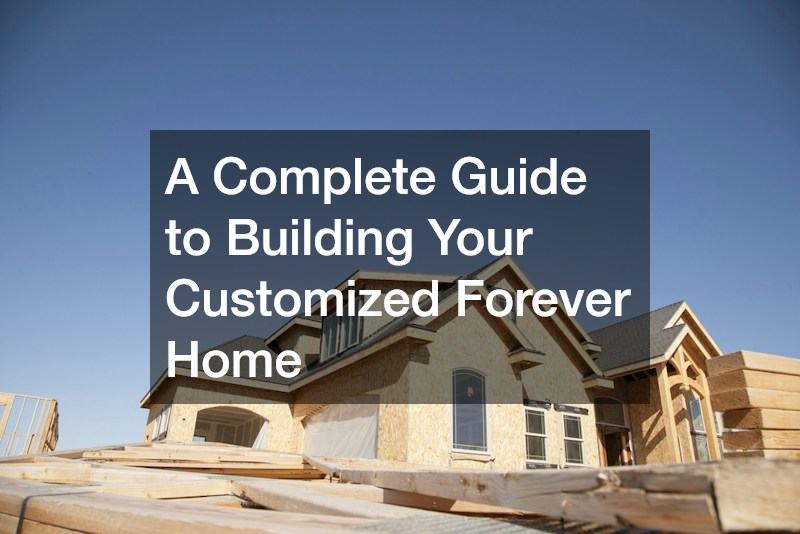
Building a forever home is different from purchasing a property that only needs to meet your immediate needs. It requires looking years ahead and considering how your household, routines, priorities, and physical abilities may change over time. The right design should feel comfortable today while remaining flexible enough to support future family growth, remote work, aging, hobbies, entertaining, and changing financial goals. A successful project begins with careful planning rather than selecting finishes or drawing floor plans too early. Every decision, from the location of bedrooms to the width of hallways, can affect how useful and comfortable the home remains.…