Key Takeaways:
- Land is a meaningful but not dominant cost. In HomeLight’s NAHB-based figures, a $91,057 finished lot makes up roughly 14 percent of a $665,298 lot-inclusive build.
- Owning the land changes the math. Building on a lot you already own comes to about $162 per square foot, compared with about $216 for the existing-home benchmark and about $251 when you buy a lot first.
- Regional lot prices vary widely. The national median lot is around $60,000, but New England and the Pacific states see medians near $150,000, so location decides how painful land costs are.
- The lot doesn’t explain the whole price gap. Financing, overhead, marketing, commissions, and profit account for most of the difference between the build-only and sale-price figures. Your actual total depends on your builder contract and lender.
- Building is a value play, not a bargain play. The Census Bureau’s August 2026 median new-house price of $393,700 shows cheaper options exist. A custom home pays off through size, layout, efficiency, and control, not the lowest price.
- Long-term owners benefit most. Staying many years, having a thin or outdated resale market, or inheriting land all strengthen the case for building.
- Plan for hidden costs and tighter margins. Loan interest during construction, change orders, site work, and local fees can erode value, so hold a contingency reserve and set a firm all-in budget before committing.
Few financial decisions feel as personal as choosing where and how to live. For many households in 2026, the question is no longer only whether to build, but whether building still makes sense when a finished lot can swallow a large share of the budget. Higher borrowing costs, uneven material prices, and a shortage of well-located parcels have weakened the old assumption that building is automatically the cheaper path.
This article grounds the answer in two 2026 data points from two independent sources. The first comes from HomeLight’s 2026 cost-to-build guide, which relies on National Association of Home Builders (NAHB) figures to compare building on land you already own with buying a lot first. The second is the U.S. Census Bureau’s August 2026 new residential sales report, which tracks what new houses actually sold for across the country. Read together, they give a realistic picture of what a custom build costs, what land contributes to that total, and when the investment is justified.
What Two 2026 Data Points Reveal About Today’s Housing Costs
The first data point appears in HomeLight’s guide to building a house in 2026. Drawing on NAHB estimates, the guide places the cost of constructing a house of roughly 2,650 square feet at about $428,215 when the owner already holds the land. When a buyer has to purchase a finished lot as well, the NAHB-based sale price climbs to $665,298. Within that figure, the lot is priced at $91,057, and that number already accounts for the cost of financing it. The same guide lists the median existing home at $410,800 for a typical size of about 1,900 square feet.
The second data point comes from the Census Bureau’s August 2026 new residential sales release, published on September 24, 2026. It reports that the median price of new houses sold that month was $393,700, while the average price was $478,700. Because the average sits well above the median, a group of high-priced homes is pulling the mean upward, which is a useful reminder that the national middle and the custom segment are two very different markets.
It is important to be honest about what these figures can and cannot tell us. The HomeLight numbers describe a large, newly built house of a specific size. The Census numbers describe every new house sold, including smaller and entry-level homes. They are not interchangeable, but they work well as two reference points: one for what a larger, lot-inclusive build costs, and one for what the typical new house costs nationally.
How Much Land Really Adds to a Custom Build
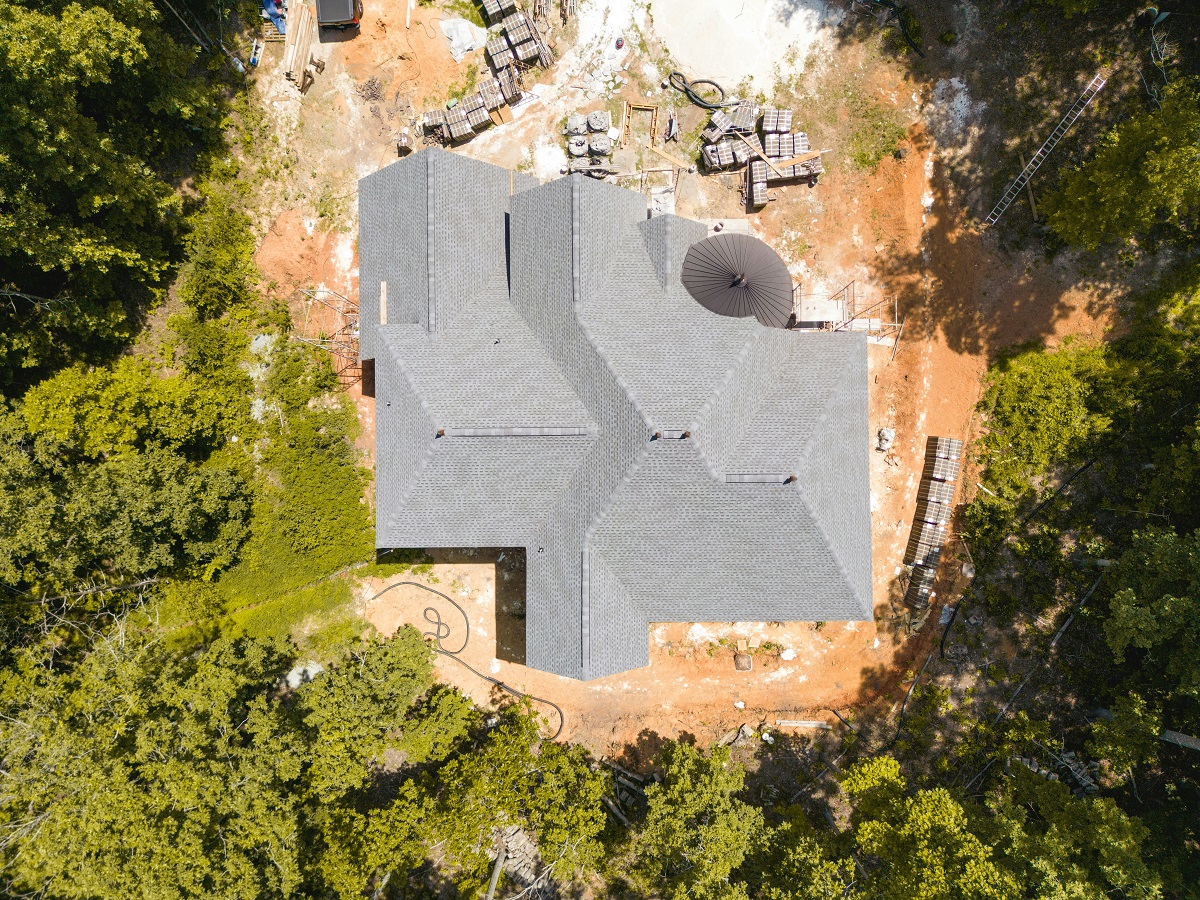
Start with the simplest calculation. A $91,057 lot inside a $665,298 sale price represents roughly 14 percent of the total. That is a meaningful amount, but it is far from the majority of the budget. The structure, labor, materials, permits, and financing carry most of the weight.
Now place the lot beside the Census benchmark. The $91,057 finished lot equals about 23 percent of the $393,700 national median for new houses. In plain terms, the land alone costs nearly a quarter of what a typical new house sells for. This comparison is informal, since the datasets measure different things, but it shows why buyers feel squeezed. A lot is a large purchase before a single wall goes up.
The national figure also hides enormous variation. HomeLight notes that the median lot price is around $60,000 nationally, yet regions such as New England and the Pacific states see medians in the range of $150,000 to $152,000. A buyer in a high-cost metro could easily pay more for the lot than the national figure for an entire starter home in a lower-cost state. Location, not the national average, ultimately decides whether land is a manageable expense or a deal-breaker.
The practical takeaway is that expensive land does not make building irrational, but it narrows the margin for error. When the lot consumes a bigger share of your total budget, every other decision, from square footage to finishes, must be made with more discipline.
Why the Lot Is Only One Piece of the Budget
It would be a mistake to blame land for the entire gap between the two HomeLight figures. The difference between $428,215 and $665,298 is about $237,000, yet the lot accounts for only $91,057 of it. The remaining amount, roughly $146,000, reflects items bundled into a builder’s sale price, including financing, overhead, marketing, sales commissions, and profit, as the guide explains when it distinguishes the cost to build from the cost to build and sell.
This matters for anyone planning a personal residence. If you hire a builder to construct a house for you on a lot you purchase, some of those line items, such as the cost of marketing a finished home to unknown buyers, simply do not apply the way they do to a speculative build. Your real total will depend on your contract, your lender, and your builder’s fee structure.
Several cost drivers sit alongside land and deserve equal attention:
- Site preparation: grading, clearing, drainage, and tree removal can add thousands of dollars on difficult terrain.
- Utilities and access: well and septic systems, utility connections, and driveways are often overlooked on rural or undeveloped parcels.
- Materials: HomeLight points to framing lumber trading near $591 per thousand board feet in January 2026, a reminder that commodity swings flow directly into your budget.
- Professional fees: architects, engineers, surveys, and permits are separate from construction labor.
- Landscaping: depending on the property, finishing the outdoor space can run from roughly $9,000 into the tens of thousands.
When you see land as one line among many, the central question shifts. Instead of asking whether the lot is too expensive, ask whether the complete project, from dirt to move-in day, delivers more value than your alternatives.
Comparing the Cost Per Square Foot of Building and Buying
A per-square-foot view makes the trade-offs easier to see. Using the HomeLight figures, an existing median-priced home at $410,800 and about 1,900 square feet works out to around $216 per square foot. Building a roughly 2,650-square-foot house on land you already own, at $428,215, comes to about $162 per square foot. Buying a lot and building, at $665,298, rises to about $251 per square foot.
Those numbers tell a clear story:
- Building on land you already own delivers the most space for the money, roughly 25 percent cheaper per square foot than the existing-home benchmark.
- Buying a lot and building costs about 16 percent more per square foot than the existing-home benchmark, but it produces a much larger house.
- Buying an existing home offers the lowest total price of the three scenarios, but at a smaller size and with whatever layout and condition come with it.
The Census median of $393,700 sits even lower than the existing-home figure from HomeLight, which reinforces that the least expensive route to a roof over your head is rarely a large custom house. Building is therefore not a bargain play when land is expensive. It is a value play: you are paying for size, layout, efficiency, and control rather than the lowest possible price tag.
This distinction is the heart of the decision. If your only goal is the cheapest path to ownership, a resale home or a modest new house will usually win. If your goal is a home that fits your household for decades, the higher entry cost can be a rational trade.
Where Building Pays Off Despite Expensive Land
High land costs do not eliminate the advantages of building. They simply change which buyers benefit most. A custom project tends to make the strongest financial sense in the following situations:
- You plan to stay for the long term. Costs are spread over many years, and a floor plan designed around your life reduces the need for expensive renovations later.
- Your local resale market is thin or outdated. If the existing homes available are small, poorly insulated, or badly laid out, the price you pay for a resale may be deceptive once remodeling is added.
- You own or can inherit land. The NAHB-based figure of $428,215 for building on an owned lot shows how dramatically the math improves when the land purchase is removed.
- You value energy performance. A new envelope, modern HVAC, and efficient windows can lower utility bills year after year.
- You need specific accessibility or multigenerational features. Retrofitting an older house for these needs can cost more than designing for them from the start.
For many families, the emotional and practical case is strongest when they are focused on building a customized forever home that will serve them through changing life stages. In that scenario, the premium paid for the lot and the design is not a short-term expense to be recovered at resale. It is a long-term purchase of suitability, durability, and comfort. A house that fits the way you live can be worth more to you than its market value suggests, even if an appraiser would value it at less than the total you spent.
That said, personal value and market value are different things, and a sound plan accounts for both.
Hidden Costs That Can Erode the Value of a Build
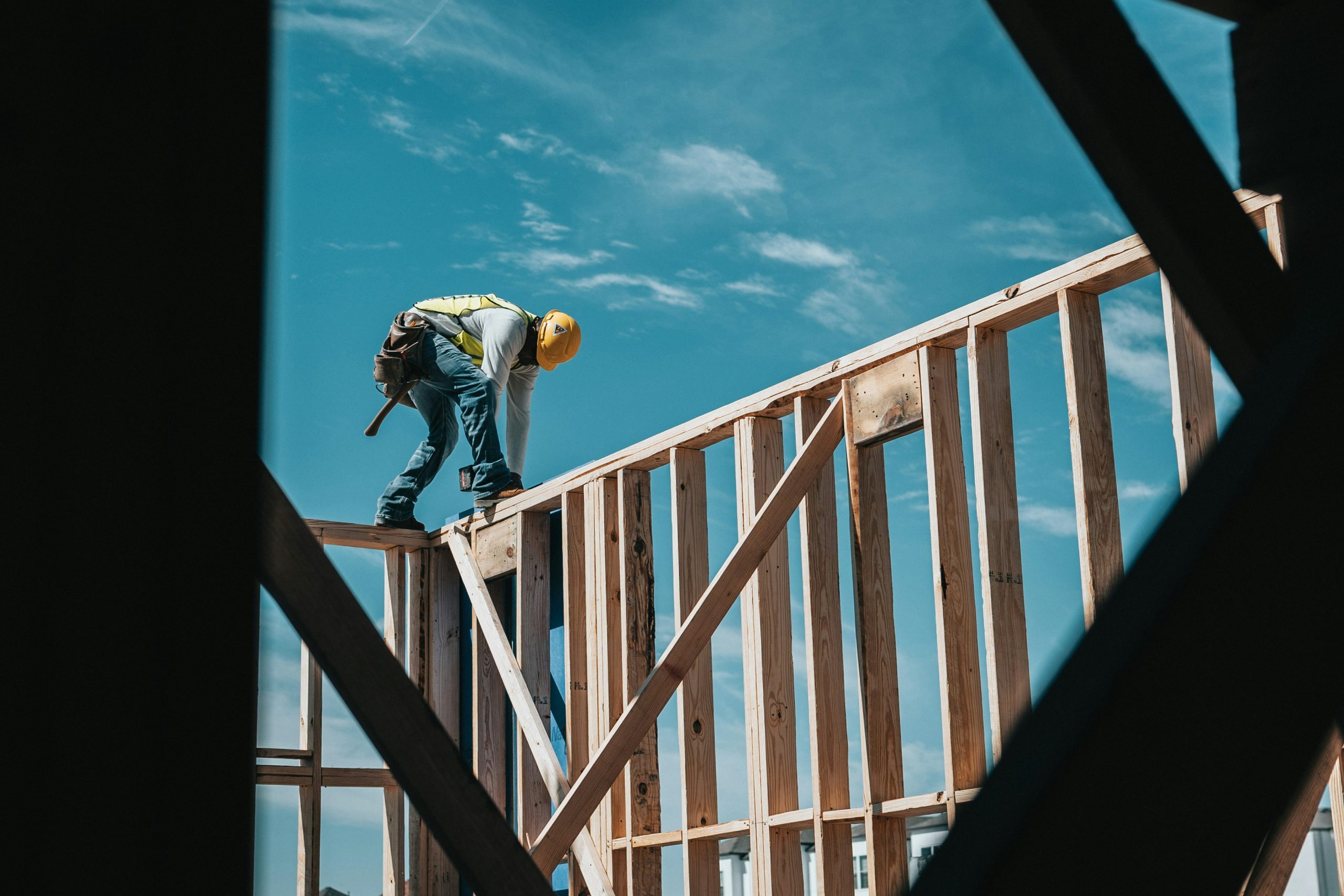
The headline figures from HomeLight and the Census Bureau are helpful, but they are averages. Individual projects tend to run into expenses that never make it into a national table. Anyone building on costly land should plan for the following risks:
- Construction loan carrying costs: interest on draws during a build can add tens of thousands of dollars over a year, and delays extend that burden.
- Overruns and change orders: every upgrade or revision after the contract is signed carries a premium.
- Temporary housing: if you sell your current home before the new one is ready, you may pay for rent and storage.
- Impact and connection fees: local governments often charge fees for water, sewer, roads, and schools that vary widely by jurisdiction.
- Over-improving for the neighborhood: an expensive house on a modest street may not hold its value, which matters if plans change.
A contingency reserve is the most reliable protection. Many builders and advisors suggest holding back a meaningful percentage of the construction budget for surprises, and buyers on expensive lots should lean toward the higher end of that range. Because land already pushes the total up, there is less room to absorb a shock without cutting something you care about.
Timing also deserves attention. The Census data show that new-home prices moved within a fairly narrow band through 2026, with the median in the high $300,000s to low $400,000s across the year, and that builders were carrying a sizable inventory of unsold houses. That environment can give buyers of finished new homes some negotiating leverage that a custom builder cannot match, so it is worth pricing a nearby spec home as a reality check before you commit.
Smart Ways to Reduce the Land Burden
If the numbers are tight, there are practical ways to shrink the land portion of your budget without giving up the idea of a tailored home.
- Choose a smaller lot. A compact parcel costs less to buy, less to maintain, and often comes with utilities already in place.
- Look at infill sites. Vacant lots in established neighborhoods may carry premium prices, but existing infrastructure can reduce site development costs.
- Expand your search radius. Moving a short distance outward can lower the lot price substantially, though you should weigh commuting costs and time.
- Consider a teardown. Buying an older house on a good lot and replacing it can sometimes beat the price of a comparable vacant parcel, but factor in demolition and permitting.
- Build in phases. Constructing a well-planned core home now, with space to add rooms later, spreads the cost over time.
- Pursue family or community land. Land that is already owned removes the largest upfront cost, as the HomeLight comparison clearly shows.
- Prioritize layout over luxury finishes. Efficient design can deliver the feeling of a larger house without paying for every square foot.
No single tactic is right for every buyer. The most effective approach is to set a firm total budget, decide how much of it you are willing to assign to land, and then shape the home around what remains.
A Practical Framework for Making the Decision
A clear process prevents emotion from overriding arithmetic. Work through these steps before signing anything:
- Define your all-in ceiling. Include land, construction, fees, financing, furnishing, and a contingency reserve.
- Test the lot share. If the land consumes much more than the 14 percent suggested by the HomeLight figures, examine whether the location premium is worth it to you.
- Benchmark against alternatives. Compare your projected cost per square foot with nearby resale and new-construction options, using the roughly $216 and $251 figures above as starting reference points.
- Estimate your holding period. The longer you plan to stay, the easier it is to justify a premium for a home built around your needs.
- Stress-test your finances. Calculate payments at a higher interest rate and with a six-month delay to see whether the plan still holds.
- Get multiple bids. Competitive quotes from licensed builders reveal how much of the price is real cost and how much is margin.
If the project clears these tests, high land costs become a manageable feature of the plan rather than a warning sign. If it fails on several of them, buying an existing home or a new spec house may be the wiser choice for now.
Final Verdict
So, is building a custom home worth it when land costs are high? The two 2026 data points suggest the answer is a qualified yes. HomeLight’s NAHB-based figures show that land is a significant but not dominant portion of a lot-inclusive build, at roughly 14 percent of the total, and that building on land you already own is dramatically cheaper per square foot than buying a resale home. The Census Bureau’s August 2026 report, with a median new-house price of $393,700, shows that cheaper and smaller options remain available to buyers who prioritize price above all else.
In other words, building is worth it when you are paying for something specific: space, design, efficiency, and a home you intend to keep. It is much harder to justify when the main goal is to save money or to make a quick profit. Expensive land does not ruin the case for building, but it does demand tighter budgeting, careful comparison, and a clear sense of what you value most.
Before you commit, gather local lot prices, request detailed builder quotes, and run your own per-square-foot comparison using the framework above. With realistic numbers in hand, you can decide whether the premium for a tailor-made home is an investment in your future or a stretch beyond your means.