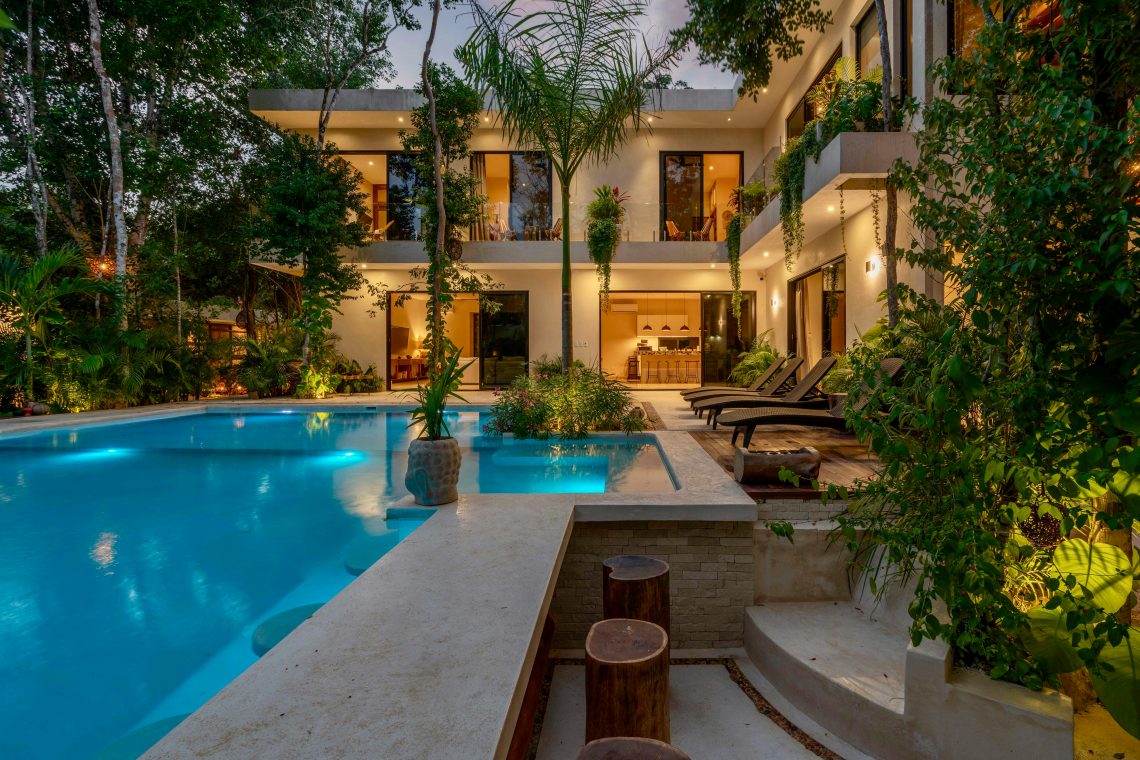
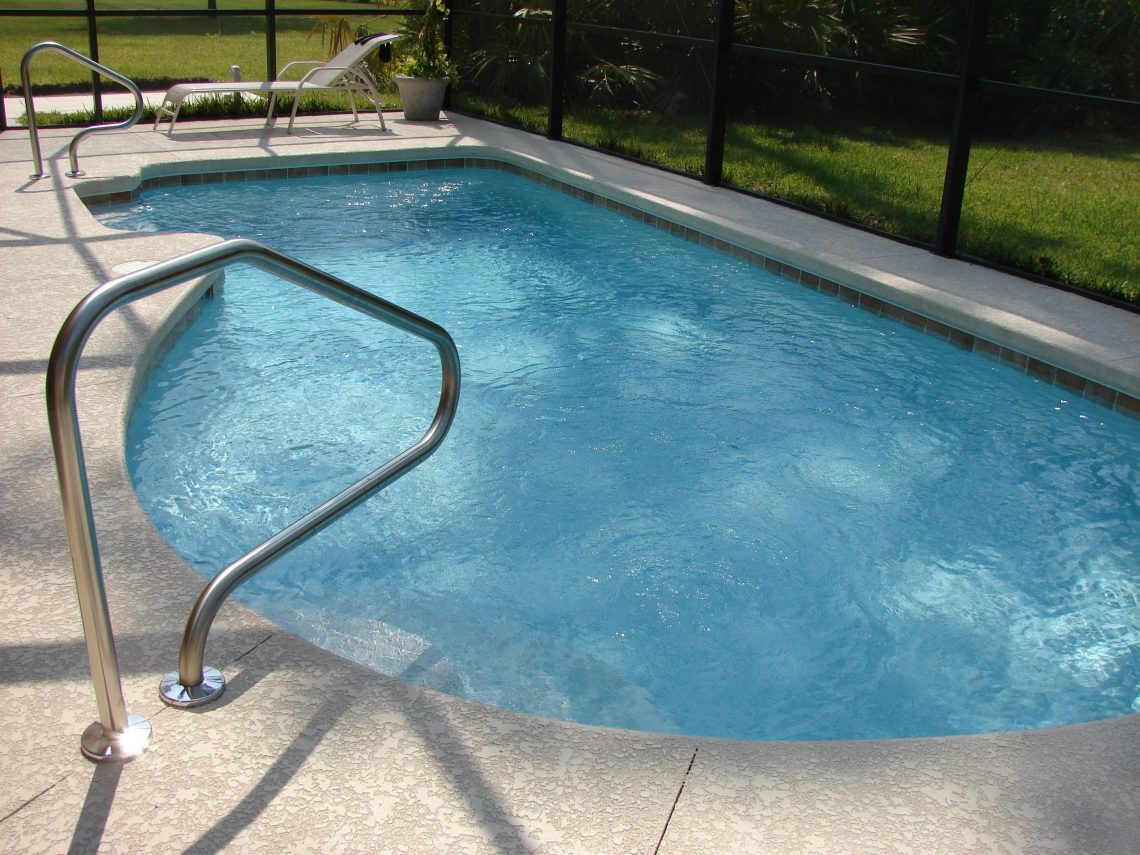
Homeownership is a continuous journey of growth, refinement, and adaptation to how your family lives everyday. Over time, even the most cherished houses can begin to feel outdated, cramped, or disconnected from modern design standards. Outdoor spaces, in particular, are often underutilized, left exposed to the elements, or laid out in ways that no longer serve today’s emphasis on seamless indoor-outdoor integration. Upgrading your property is far more than an exercise in surface aesthetics—it is about solving daily living frustrations, increasing functional footage, and safeguarding your long-term financial investment. Whether you are struggling with intense summer heat that keeps…
-
-
Creating an outdoor space that works well for the entire family requires thoughtful planning, attention to safety, and a focus on comfort. A well-designed backyard can become an extension of the home where children play, adults relax, and everyone can enjoy time together. Whether the goal is creating a space for weekend gatherings, encouraging outdoor activities, or simply providing a peaceful place to unwind, every feature should be selected with safety and usability in mind. Family-friendly outdoor spaces should balance fun and function. Play areas should encourage creativity and movement while being designed with age-appropriate safety considerations. Seating areas, entertainment…
-
Determine the cause of water loss first: Check if evaporation, splash-out, or backwashing could explain the drop before assuming it’s a leak. Start with a visual inspection: Examine the pool liner, fittings, walls, and accessories for obvious tears, cracks, or loose connections. Use simple tests to pinpoint leaks: The bucket test and dye testing help identify whether water loss is from a leak and locate small liner leaks. Check plumbing and filter systems carefully: Inspect pumps, hoses, connections, filter housings, and backwash lines, as plumbing leaks are common. Temporary fixes can hold water: Vinyl patches, epoxy, or tightening fittings can…
-
Identify the Type of Leak: Pressure, suction, or structural leaks behave differently; understanding the type helps narrow down where to look and how to fix it. Monitor Water Levels: Conduct regular water-level checks and use the 24-hour test to detect unusual water loss patterns. Inspect Common Leak Points: Focus on return lines, skimmers, drains, pool shell, liner, steps, lights, and fittings for cracks, holes, or worn seals. Use Precise Detection Methods: Dye testing, plugging lines, and pressure tests are effective ways to locate hidden or small leaks. Maintain Equipment and Components: Regularly clean filters, inspect pumps, replace aging parts, and…