Many homeowners look out at their yards and see potential, but uneven ground, invasive growth, or years of neglect can make that potential feel out of reach. A backyard that slopes awkwardly, floods after rain, or has become overrun with weeds can limit how the space is used and enjoyed. Thoughtful planning and strategic upgrades can turn these challenges into opportunities for better function, improved appearance, and long-term value. By approaching the project with clear goals and a phased strategy, homeowners can address structural concerns while creating a space that supports relaxation, entertaining, and everyday use.
The most effective transformations begin with understanding the condition of the land and the way the yard interacts with the home. Drainage patterns, soil stability, and existing structures all play a role in determining what improvements make sense. Instead of focusing on surface-level changes alone, successful projects look at how grading, materials, and layout work together. This approach allows homeowners to invest wisely and avoid repeated fixes over time. With careful planning, even the most uneven or overgrown yard can be reshaped into a usable outdoor environment that complements the home and lifestyle.
Evaluating Yard Conditions and Setting Practical Goals
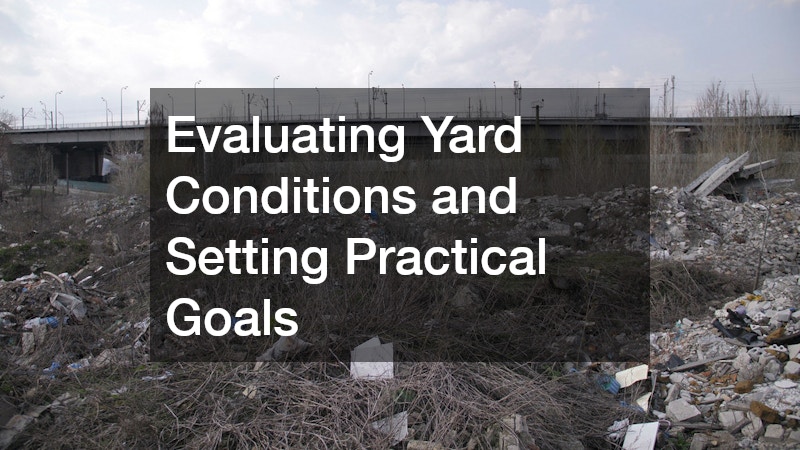
Before any physical work begins, it is essential to evaluate the current condition of the yard and define realistic goals. Uneven terrain, poor drainage, and dense vegetation each present different challenges, and understanding these issues upfront helps guide smarter decisions. Walk the property after heavy rain to identify pooling water, soft ground, or erosion. Note areas that remain shaded or damp for long periods, as these conditions often influence plant health and surface durability. This initial assessment forms the foundation for effective backyard improvement solutions that address root problems rather than surface symptoms.
Clear goals help prioritize investments. Some homeowners want a level lawn for play, while others prefer structured seating areas or low-maintenance landscaping. Identifying how the yard will be used influences everything from grading depth to material selection. For example, a yard intended for frequent gatherings may benefit from hardscaped zones, while a quiet retreat may focus more on planting and privacy. Budget considerations also matter at this stage, as certain improvements can be phased over time without compromising long-term outcomes.
Professional input can be valuable during this evaluation phase. Working with local general contractors allows homeowners to gain insight into feasibility, timelines, and permitting requirements. These professionals often recognize potential issues that are not immediately visible, such as soil instability or outdated drainage systems. By combining homeowner goals with technical expertise, the planning process becomes more efficient and reduces the likelihood of costly revisions later. A thorough evaluation ensures that each improvement supports a cohesive, functional design rather than isolated upgrades.
Regrading and Preparing Uneven Ground for Usable Space
Uneven ground is one of the most common obstacles to enjoying a backyard. Slopes, dips, and compacted soil can limit where furniture, play equipment, or landscaping can be placed. Regrading creates a more stable and level surface, making the yard safer and easier to maintain. This step often serves as the backbone of broader backyard improvement solutions, as it influences drainage, accessibility, and overall layout.
Regrading begins with removing excess soil from high points and redistributing it to low areas. Proper grading directs water away from the home’s foundation and prevents pooling that can damage plants or structures. In yards with significant elevation changes, terracing may be introduced to create flat zones connected by steps or pathways. These terraces can later support planting beds, patios, or seating areas without compromising stability.
In some cases, regrading requires the removal of old surfaces or obstacles. Services such as concrete demolition are used to clear cracked slabs, outdated walkways, or unused pads that interfere with new layouts. Removing these elements opens up design possibilities and ensures that new installations rest on properly prepared ground. Once grading is complete, the yard becomes a blank canvas ready for additional improvements that enhance both function and appearance.
Managing Overgrowth and Protecting the Yard Structure
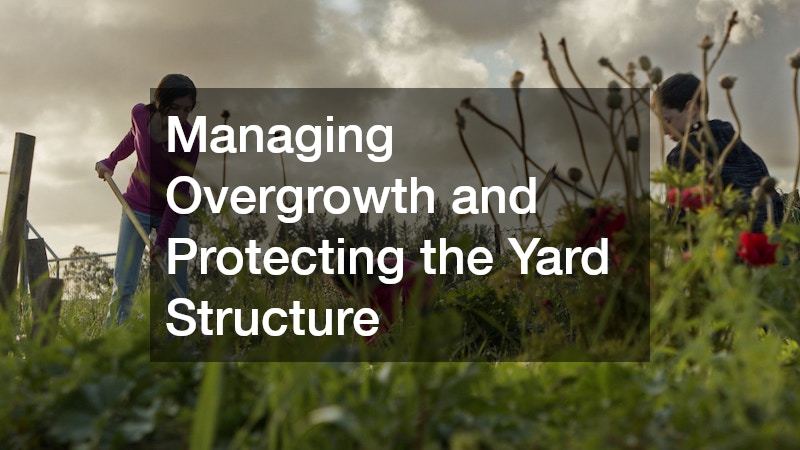
Overgrown vegetation can make a yard feel smaller, darker, and more difficult to manage. Invasive plants, unchecked roots, and dense undergrowth often compete with desirable landscaping and can even threaten structures. Addressing these issues early is critical to maintaining the integrity of the yard and preventing long-term damage. Thoughtful backyard improvement solutions include not only removing unwanted growth but also protecting the space from future infestations.
Clearing overgrowth typically involves removing weeds, trimming back shrubs, and selectively cutting trees to improve light and airflow. This process reveals the true shape and size of the yard, making it easier to plan improvements. It also reduces moisture retention in shaded areas, which can contribute to decay and pest activity. Once the area is cleared, homeowners can introduce plants that are better suited to the local climate and soil conditions.
Pest prevention is another important consideration. Dense vegetation and moist soil create ideal conditions for insects that can compromise wooden structures. Incorporating termite control services into the improvement plan helps safeguard decks, fences, and outbuildings from damage. Preventive treatments and ongoing monitoring protect investments and ensure that new features remain structurally sound. By managing overgrowth and pests together, homeowners create a healthier, more resilient outdoor environment.
Creating Functional Hardscapes for Daily Use
Hardscaping introduces structure and usability to a yard that may otherwise feel undefined or impractical. Patios, walkways, and seating areas provide stable surfaces for daily activities and social gatherings. These features are especially valuable in yards where grass struggles to grow due to shade, slope, or heavy foot traffic. Integrating hardscapes is a key component of backyard improvement solutions that balance aesthetics with function.
One popular option is stamped concrete patio installation, which offers durability and visual appeal without the maintenance demands of natural stone. Stamped concrete can mimic the look of brick, slate, or wood while providing a smooth, even surface. This versatility allows homeowners to match the patio design to the home’s exterior and surrounding landscape. Properly installed patios also improve drainage by directing water away from seating areas.
Hardscapes should be placed strategically to support movement and flow throughout the yard. Walkways connect different zones, such as dining areas, gardens, and play spaces, making the yard feel cohesive. When designed thoughtfully, these elements encourage regular use and reduce wear on lawns. By combining practical placement with durable materials, hardscaping transforms an underused yard into an inviting extension of the home.
Adding Structures to Maximize Storage and Utility
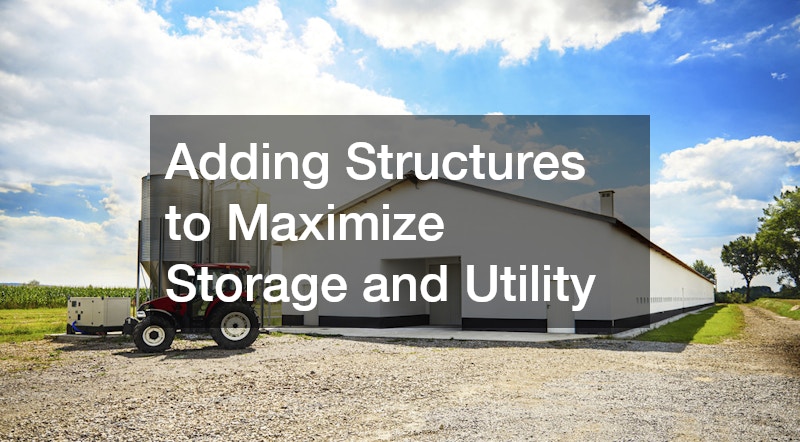
In many yards, clutter and lack of storage limit how the space is used. Outdoor equipment, seasonal items, and tools often end up scattered or stored indoors. Adding purpose-built structures can significantly improve organization and expand the yard’s functionality. These additions are often overlooked but play an important role in comprehensive backyard improvement solutions.
Storage structures range from small sheds to larger multi-use buildings. Working with pole barn contractors allows homeowners to design spaces that accommodate specific needs, such as equipment storage, workshops, or covered gathering areas. Pole barns are especially versatile because they can be customized in size, layout, and finish to suit the property. Their open design also allows for future adaptations as needs change.
Beyond storage, structures can define how different areas of the yard are used. A covered space can support outdoor hobbies or provide shade during warmer months. By placing structures thoughtfully, homeowners maintain open sightlines while improving organization. These additions reduce clutter and make it easier to keep the yard tidy, encouraging more frequent and enjoyable use.
Addressing Drainage and Soil Stability Issues
Drainage problems often go unnoticed until they cause visible damage. Standing water, muddy patches, and erosion can undermine landscaping and make a yard unpleasant to use. Addressing these issues is essential for long-term success and is a core element of effective backyard improvement solutions. Proper drainage protects both the yard and the home’s structural components.
Improving drainage may involve installing channels, adjusting grading, or replacing compacted soil with more permeable materials. In complex cases, a local excavating contractor can assess subsurface conditions and implement solutions that redirect water safely. Excavation may also be necessary to install drainage systems beneath patios or lawns, ensuring that water flows away from high-use areas.
Soil stability is closely tied to drainage. Poorly draining soil can shift over time, affecting fences, walkways, and structures. Reinforcing soil through compaction and proper layering creates a stable base for future improvements. By resolving drainage and stability concerns early, homeowners avoid repeated repairs and create a yard that remains functional in all seasons.
Repairing Foundations and Defining Boundaries
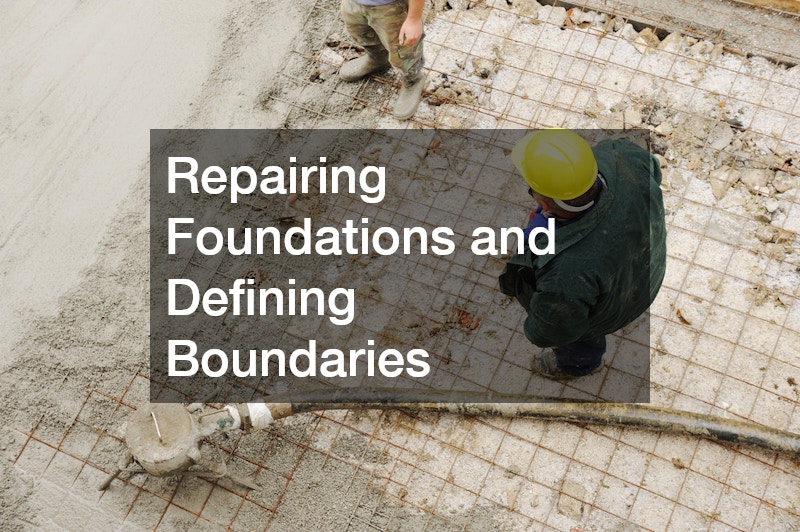
A neglected yard can place stress on a home’s foundation, especially when water pools near the structure or soil erodes unevenly. Addressing these issues protects the home and enhances the overall appearance of the property. Thoughtful backyard improvement solutions consider how outdoor conditions interact with the house itself. When these interactions are ignored, minor exterior problems can gradually lead to larger structural concerns that affect interior spaces as well, increasing repair complexity over time.
In situations where settling or cracking has occurred, consulting a foundation repair company ensures that structural concerns are addressed properly. Stabilizing the foundation may involve reinforcing soil, improving drainage, or repairing existing damage. While these repairs may not be visible, they are critical to maintaining the home’s long-term integrity and preventing further movement that could impact walls, floors, or attached outdoor features such as patios and steps.
Defining boundaries also plays a role in yard functionality. Installing or updating a fence clarifies property lines, improves privacy, and enhances safety for children and pets. Working with a fence company allows homeowners to choose materials and designs that complement the landscape while meeting practical needs. Clear boundaries create a sense of order, reduce visual clutter, and help the yard feel more complete and intentional within the overall property layout.
Revitalizing Existing Features for Modern Use
Many yards include features that are no longer used or have fallen into disrepair. Pools, patios, and outdoor utilities can become eyesores if left unattended. Revitalizing these elements often costs less than full replacement and can significantly improve usability. Incorporating upgrades into broader backyard improvement solutions ensures that existing investments continue to add value. These updates can also improve safety, reduce maintenance demands, and align older features with how homeowners actually use their outdoor spaces today, especially as household needs and priorities evolve.
Pools are a common example. Aging surfaces, outdated layouts, or inefficient systems can discourage use. A pool renovation service can update finishes, improve safety features, and modernize equipment, making the pool more appealing and easier to maintain. Renovations also allow homeowners to reconfigure surrounding areas for seating or landscaping, helping the pool integrate more naturally into the overall yard design rather than feeling like a separate, isolated feature.
Other features, such as drainage systems or irrigation lines, may require attention after years of use. In cases of water damage or flooding, water restoration services help address moisture-related issues and prevent further deterioration. By restoring and updating existing features, homeowners maximize the value of what they already have while aligning the yard with current needs, lifestyle changes, and long-term property goals.
Planning for Long-Term Maintenance and Adaptability
A successful yard transformation does not end with installation. Long-term maintenance and adaptability determine whether improvements remain enjoyable over time. Planning for these factors ensures that backyard improvement solutions continue to support the homeowner’s lifestyle as needs evolve.
Choosing durable materials and low-maintenance landscaping reduces ongoing effort. Native plants, efficient drainage, and resilient surfaces require less upkeep while maintaining their appearance. Regular inspections help identify minor issues before they become costly repairs, preserving both function and aesthetics.
Adaptability is equally important. Designing spaces that can serve multiple purposes allows the yard to change with the household. Open areas can transition from play zones to entertaining spaces, while structures can be repurposed as needs shift. By thinking beyond immediate use, homeowners create outdoor environments that remain relevant and enjoyable for years to come, completing the transformation of uneven, overgrown, or unused yards into functional living spaces.